New parents hear their little ones making all kinds of weird noises, and grunts are right up there. You pick up your baby, and out comes this “uhh” or “hmm” that makes you freeze. So, why do newborns grunt? It freaks folks out, maybe pain, breathing issues, or worse? Don’t sweat it most times. Usually, it’s just normal baby stuff, like them figuring out breathing or pooping.
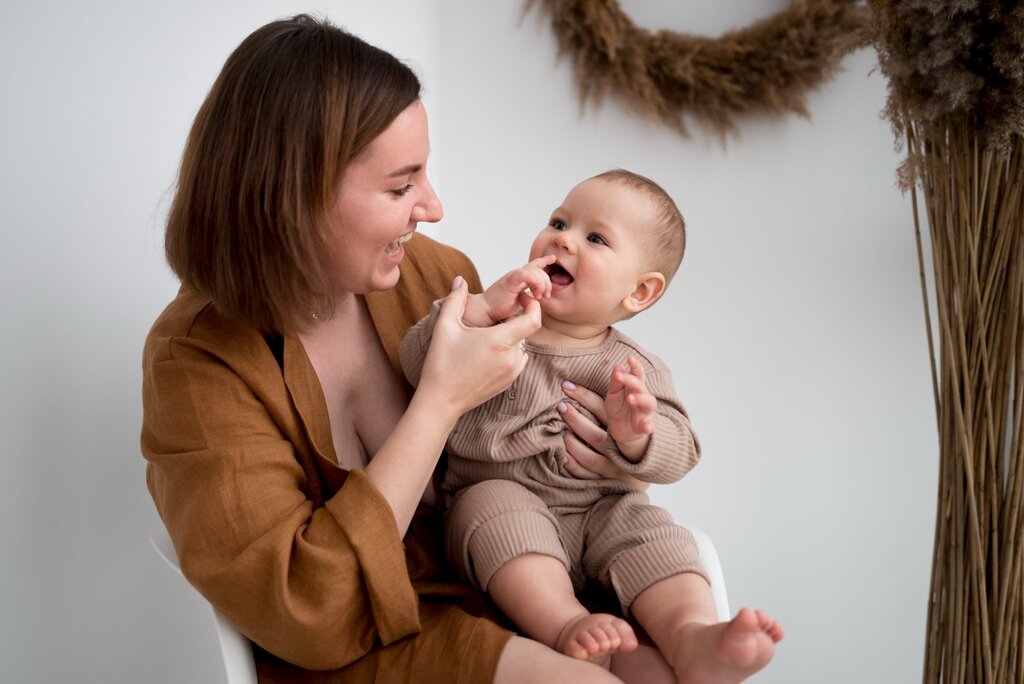
Plus, something handy like a Momcozy nursing pillow can help feeds go easier. It props up baby and you, cutting down on extra effort that might cause those grunts. We’ll get into why do newborns grunt ties right into their fast-growing bodies. This guide breaks it down, common reasons, what’s okay, and when to call the doc. Let’s jump in, step by step, so you can relax.
Understanding the common causes of newborn grunting
Newborns grunt mostly ’cause their little bodies are still figuring out life outside the womb, and that makes those funny noises happen naturally. Take their lungs, for instance, they’re stretching out and getting the hang of working with muscles for the first time, so grunting builds up pressure in the chest to help air squeeze through those tiny airways. Stuff like eating and digesting kicks it off too, especially in babies under three months whose nerves are still sorting themselves out.
On top of that, everyday things trigger it big time, all tied to a newborn’s routine. Here’s the main ones:
- Breathing in that new post-womb air, where their small lungs get stronger with each pushy exhale.
- Belly muscles squeezing to push out air they swallowed or gas stuck from feeds.
- Nose clearing from dry room air or little irritants, turning into snorty grunts.
Parents post tons of stories online about babies grunting after meals, and it usually turns out to be just air bubbles shifting around. Studies from pediatric folks say about 17% of newborns do it right in their first hours, and most of it fades quick as their systems wake up proper. Tracking it helps ya feel better, spotting normal stuff from the rare problems. Experts say 60-80% of healthy little ones grunt a bunch in those early weeks, then it trails off as they get stronger.These reasons pop up even more during sleep, when breathing gets trickier and amps up the sounds.
The physiological reasons behind grunting during sleep
Sleep makes the grunting louder sometimes, so parents wonder why do newborns grunt at night. In deep sleep, the chest muscles go all floppy, squishing that soft chest wall and making it hard to pull in air, so baby grunts on instinct to tighten things up and keep the airways open. It’s this quick throat-close trick to build pressure, keeping oxygen flowing steady, especially in REM when they spend half their sleep time dreaming and processing the world.
These grunts last 1-2 seconds and bunch up in 5-10 minute spells, with heart rates staying chill and no fuss when they wake. A Pediatrics study found 80% of babies under two months do sleep grunts, hitting peak around week four before their breathing muscles toughen up. Back-sleeping, which docs push for SIDS safety, can make it a tad more ’cause gravity presses on the chest, but swaddling gives nice support without getting too hot.
Try a white noise machine to mask the sounds; it helps everyone sleep longer stretches. Seeing it as just their body adapting turns those night worries into “aww, you’re growing strong” moments. And digestion often mixes in with sleep, making grunts a regular thing.
How the developing digestive system plays a role
A baby’s gut is a big culprit for grunting, especially when you’re asking why do newborns grunt after eating. Their young intestines gotta stretch out, handle milk real slow, and deal with gas from gulped air, so they grunt and push with their tummy to help those wave-like squeezes move food through, that’s peristalsis. Breast or formula, it don’t matter; “grunting baby syndrome” hits ’cause weak belly muscles lean on the diaphragm for extra oomph, not like us grown-ups.
Burping’s your best friend, hold ’em upright on your shoulder, pat gentle, and out come the bubbles. Bike their legs after eating to get bowels moving, and tummy time builds that core strength bit by bit. Signs it’s digestion grunts include:
- Happens right after feeds or overnight.
- Comes with wiggling, leg pulls, or back arching as gas moves.
- Eases up after a burp, poop, or rub.
Nursing pillows prop things comfy during feeds, cutting down air swallows and strain. Stick to routines, and you’ll see poops change from that black meconium to lots of seedy ones for breastfed babies or firmer for formula. Treat those grunts like tummy wins, and it’ll make the phase easier to ride out. Still, not every noise is harmless, so know when it’s normal versus time to check with the doc.
Distinguishing between normal sounds and respiratory distress
While most grunts are harmless, not every one signals smooth sailing, so learning to differentiate is crucial. Normal grunts sound casual and effortless, coming and going without pattern, while your baby remains pink, content, and alert. In contrast, distress grunts drag on longer, often with rapid breathing, chest retractions (sinking in deeply), or rib flaring, signs of real work.
Why do newborns grunt in distress? It can stem from infections, reflux, or other issues forcing the body to fight for air. Watch closely for these red flags:
- Grunts lasting over 30 seconds nonstop.
- Wheezing, high-pitched noises, or stridor.
- Fever exceeding 100.4°F (38°C) in newborns.
- Breathing rate over 60 per minute when paired with grunts (normal is 30-60).
Parents often sense it intuitively: happy grunters play and feed well afterward, while strugglers tire quickly or seem lethargic. Trust that parental instinct, and consider recording a short video for your pediatrician. Early intervention matters, conditions like bronchiolitis or heart issues mimic normals but respond best to prompt care.
The connection between grunting and infant bowel movements
Grunts and bowel movements frequently sync up, as babies strain mightily to push out stool. Their pelvic floor muscles lack tone, and abdominal walls remain soft, requiring full-body effort. A grunt marks that bearing-down phase, coordinating breath-holding with a squeeze, just like adults.
Newborn poops evolve quickly: breastfed babies produce frequent, mustard-yellow, seedy stools, while formula-fed ones are firmer and less often. Either way, grunting assists the process. Helpful tips include:
- Clockwise belly massages to encourage movement.
- Warm baths to relax sphincters and ease passage.
- Probiotic drops, only if cleared by your doctor.
When grunting is simply a way of clearing the nasal passages
Nasal congestion ramps up grunts too, since newborns are obligate nose breathers. Mucus clogs easily from dry air, dust, or minor irritants, prompting snorting grunts to blast it clear. It’s usually no big concern.
Combat it with a cool-mist humidifier for moisture, saline drops to loosen gunk, and gentle bulb syringe suction. These peak in dry winter homes, where why do newborns grunt more then boils down to heated air drying sinuses, keep rooms at 68-72°F (20-22°C). Quick fixes:
- Saline drops before feeds for clear airways.
- Upright positioning post-grunt to drain naturally.
- Avoid over-suction to prevent irritation.
Environmental factors that might trigger noisy breathing
Your home environment subtly influences those noises too. Dry air thickens mucus, triggering follow-up grunts, while overheating from excess blankets heightens breathing effort, dress in light layers instead. Allergens like pet dander or secondhand smoke irritate airways, so prioritize fresh, clean air.
Quiet spaces with white noise can soothe both baby and parents. Aim for:
- Optimal humidity of 40-60%.
- No smoking within 50 feet of baby.
- Weekly crib sheet changes to minimize dust.
Signs that indicate it is time to consult a pediatrician
Most grunts resolve naturally, but vigilance pays off. Consult your pediatrician if you notice:
- Grunts alongside poor feeding, weight gain stalls, or excessive sleepiness.
- Persistent coughs or runny noses over a week.
- Labored breathing, constant fussiness, or pain cries.
- Grunts evolving into wheezes or retractions.
Reflux, allergies, or rare issues like choanal atresia can mimic normals, but exams rule them out. For babies under two months with nonstop grunting, err on the side of caution, call promptly.
Final Thoughts
In summary, why do newborns grunt often traces back to the beautiful “growth pains” of early development, from sleep breathing tweaks to tummy triumphs. These sounds celebrate a thriving baby hitting milestones.Stay observant by noting patterns, and lean on comforts like nursing pillows. Your calm reassures them most. Those grunts will quiet as they grow, and soon you’ll cherish the memory of this noisy symphony. You’ve got this, new parent.

Leave a Reply